Commercial Solar Monitoring Systems in 2026: Features, Costs, Benefits & ROI Guide
- What Is a Commercial Solar Monitoring System?
- Why Solar Monitoring Matters for Businesses
- Key Features of Modern Commercial Solar Monitoring Systems
- Real-Time Energy Production
- Inverter Performance Monitoring
- Panel-Level Monitoring
- Fault Alerts
- Weather Integration
- Mobile Access
- Historical Reporting
- Types of Commercial Solar Monitoring Systems
- Basic Monitoring
- Advanced Monitoring
- Enterprise Monitoring
- Commercial Solar Monitoring Cost Comparison
- Premium vs Standard Monitoring Platforms
- Popular Commercial Solar Monitoring Platforms
- How Monitoring Improves ROI
- Example Cost and ROI Calculation
- Investment
- Features Businesses Should Prioritize
- Tips for Maximizing Solar Monitoring Value
- State-Specific Notes
- Texas
- Florida
- California
- Frequently Asked Questions
- What does a commercial solar monitoring system do?
- Is solar monitoring worth the investment?
- Can monitoring detect inverter failures?
- Does monitoring require an internet connection?
- Can one platform monitor multiple business locations?
- Can monitoring integrate with battery storage and EV chargers?
- Conclusion
As commercial solar installations continue to grow across the United States, businesses are realizing that generating renewable energy is only part of the equation. To maximize long-term performance and return on investment (ROI), companies need continuous visibility into how their solar systems operate. This is where commercial solar monitoring systems play a crucial role.
A monitoring platform provides real-time insights into energy production, equipment health, system efficiency, and operational performance. Rather than waiting for monthly utility bills or discovering equipment failures weeks later, businesses can immediately detect issues, minimize downtime, and optimize energy generation.
Whether you manage a 100 kW rooftop installation or a multi-megawatt industrial solar plant, investing in an advanced monitoring system can significantly improve operational efficiency and reduce maintenance costs.
This guide explains how commercial solar monitoring works, compares available platforms, estimates costs, and outlines the financial benefits businesses can expect in 2026.
What Is a Commercial Solar Monitoring System?
A commercial solar monitoring system is a combination of hardware and software that tracks the performance of a photovoltaic (PV) installation in real time.
The system collects data from components such as:
- Solar panels
- Inverters
- Battery storage systems
- Smart meters
- Weather sensors
- Grid connections
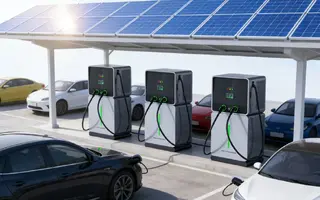
- EV charging stations
- Energy management systems
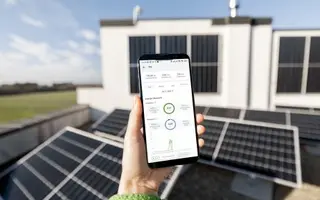
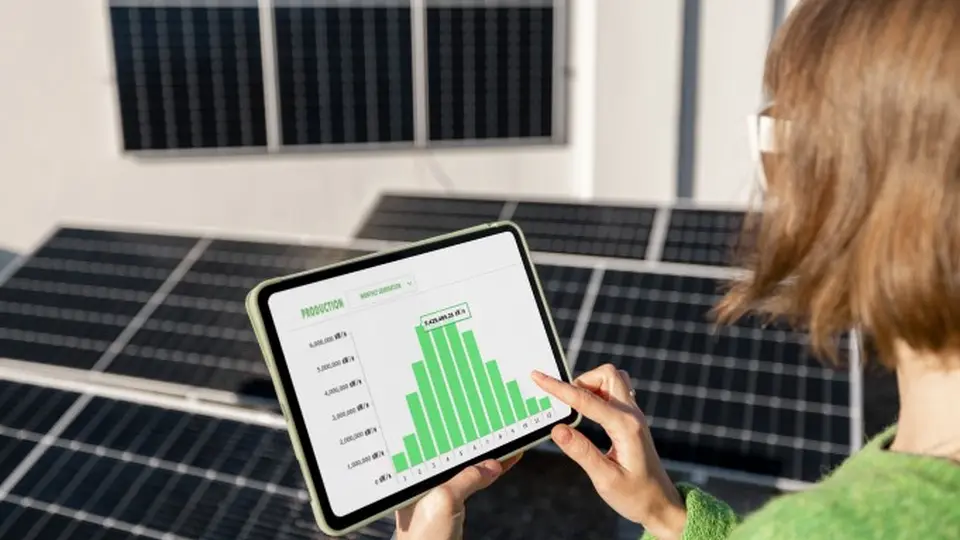
Collected information is displayed through cloud-based dashboards or mobile applications, allowing facility managers to monitor system health from anywhere.
Why Solar Monitoring Matters for Businesses
Without monitoring, equipment failures may go unnoticed for days or even weeks, resulting in lost energy production and unnecessary financial losses.
Key advantages include:
- Early fault detection
- Higher energy production
- Reduced maintenance costs
- Improved equipment lifespan
- Better financial reporting
- Increased system uptime
- Accurate ROI calculations
- Simplified regulatory compliance
For large commercial systems, even a few hours of downtime can represent hundreds or thousands of dollars in lost electricity production.
Key Features of Modern Commercial Solar Monitoring Systems
Real-Time Energy Production
Businesses can track electricity generation minute by minute, hourly, daily, monthly, or annually.
Inverter Performance Monitoring
Individual inverter monitoring helps identify underperforming equipment before major failures occur.
Panel-Level Monitoring
Premium monitoring platforms can display the output of each individual solar panel, making it easier to locate faults caused by shading, dirt, or equipment issues.
Fault Alerts
Automated notifications inform operators immediately when abnormal performance is detected.
Alerts may include:
- Inverter failures
- Communication errors
- Voltage abnormalities
- Grid outages
- Overheating
- Reduced energy production
Weather Integration
Weather data helps distinguish between normal production changes caused by cloud cover and actual equipment problems.
Mobile Access
Most commercial monitoring systems offer smartphone applications that allow managers to access performance data remotely.
Historical Reporting
Businesses can generate reports for:
- Financial analysis
- ESG reporting
- Sustainability initiatives
- Utility compliance
- Internal energy audits
Types of Commercial Solar Monitoring Systems
Basic Monitoring
Tracks total energy production and basic system status.
Best for:
- Small businesses
- Office buildings
- Retail stores
Advanced Monitoring
Includes inverter-level performance, remote diagnostics, and maintenance alerts.
Best for:
- Hotels
- Warehouses
- Manufacturing facilities
Enterprise Monitoring
Provides panel-level analytics, fleet management, AI-based diagnostics, predictive maintenance, and multi-site reporting.
Best for:
- Large corporations
- Utility-scale solar farms
- National retail chains
- Industrial campuses
Commercial Solar Monitoring Cost Comparison
| System Size | Estimated Monitoring Cost |
|---|---|
| Under 50 kW | $500–$1,500 |
| 50–100 kW | $1,500–$3,500 |
| 100–250 kW | $3,500–$8,000 |
| 250–500 kW | $8,000–$15,000 |
| 500 kW–1 MW | $15,000–$30,000 |
| Multi-MW Systems | $30,000+ |
Some monitoring platforms also charge annual software subscription fees ranging from $300 to several thousand dollars depending on system size and features.
Premium vs Standard Monitoring Platforms
| Feature | Premium Platform | Standard Platform |
| Real-Time Monitoring | Yes | Yes |
| Panel-Level Analytics | Yes | Limited |
| AI Fault Detection | Yes | No |
| Mobile App | Advanced | Basic |
| Predictive Maintenance | Yes | Limited |
| Fleet Management | Yes | No |
| API Integration | Yes | Limited |
| Custom Reporting | Extensive | Basic |
Premium systems generally deliver higher long-term value for businesses operating multiple locations or large-scale installations.
Popular Commercial Solar Monitoring Platforms
Several manufacturers and software providers offer advanced monitoring solutions for commercial systems.
Popular platforms include:
- SolarEdge Monitoring
- SMA Sunny Portal
- Enphase Enlighten
- Fronius Solar.web
- Huawei FusionSolar
- Sungrow iSolarCloud
- ABB Ability Energy Manager
- Schneider EcoStruxure
- Power Factors Drive
- AlsoEnergy PowerTrack
Each platform offers different capabilities depending on project size and equipment compatibility.
How Monitoring Improves ROI
A monitoring system can significantly increase profitability by reducing production losses.
Benefits include:
- Faster fault detection
- Reduced repair costs
- Higher annual energy generation
- Lower maintenance expenses
- Improved warranty management
- Better energy forecasting
- Increased equipment lifespan
Studies show that proactive monitoring can improve annual energy production by several percentage points compared with systems that rely solely on periodic inspections.
Example Cost and ROI Calculation
A logistics company installs:
- 500 kW commercial solar system
- Enterprise monitoring platform
Investment
Solar installation:
$1,050,000
Monitoring hardware and software:
$18,000
Annual monitoring subscription:
$2,000
Federal Investment Tax Credit (eligible solar components):
-$315,000
Estimated net project investment:
$753,000
Annual electricity savings:
$185,000
Estimated production increase due to monitoring:
3%
Additional annual energy value:
Approximately $5,500
Reduced maintenance expenses:
$4,000 annually
Total additional financial benefit:
Approximately $9,500 per year
Over a 25-year project life, the monitoring platform can generate substantial additional value while helping avoid costly equipment failures.
Features Businesses Should Prioritize
When comparing monitoring systems, evaluate:
- Cloud-based access
- Mobile applications
- Real-time alerts
- Multi-site management
- Battery storage integration
- EV charger monitoring
- API compatibility
- Cybersecurity
- Custom dashboards
- Historical reporting
Scalable platforms are particularly valuable for businesses planning future solar expansion.
Tips for Maximizing Solar Monitoring Value
Businesses can improve system performance by:
- Reviewing production reports regularly.
- Setting automated fault alerts.
- Performing preventive maintenance based on monitoring data.
- Comparing actual production with expected output.
- Cleaning panels when performance declines.
- Updating firmware as recommended by manufacturers.
- Integrating monitoring with energy management systems.
- Monitoring battery storage and EV charging together with solar production.
State-Specific Notes
Texas
Texas businesses experience strong solar production but also high summer temperatures. Monitoring systems help identify heat-related efficiency losses and ensure maximum energy generation during peak demand periods.
Florida
Florida's humidity, storms, and salt-air conditions make continuous monitoring especially valuable. Automated alerts can quickly identify weather-related equipment issues and reduce prolonged downtime.
California
California's dynamic electricity pricing and high demand charges make advanced monitoring essential for optimizing solar generation, battery storage, and EV charging schedules. Businesses can use monitoring data to maximize savings under time-of-use (TOU) utility rates.
Frequently Asked Questions
What does a commercial solar monitoring system do?
It tracks energy production, equipment performance, system efficiency, and operational health in real time, allowing businesses to optimize energy generation and detect problems early.
Is solar monitoring worth the investment?
Yes. Monitoring systems help reduce downtime, improve energy production, lower maintenance costs, and increase overall return on investment.
Can monitoring detect inverter failures?
Absolutely. Most commercial platforms immediately alert operators when an inverter experiences faults, communication errors, or reduced performance.
Does monitoring require an internet connection?
Most cloud-based systems use internet connectivity for remote access, though some solutions also provide local monitoring capabilities.
Can one platform monitor multiple business locations?
Yes. Enterprise monitoring software allows businesses to manage dozens or even hundreds of commercial solar systems from a single dashboard.
Can monitoring integrate with battery storage and EV chargers?
Many advanced platforms support integrated monitoring of solar panels, battery energy storage systems, and commercial EV charging infrastructure.
Conclusion
Commercial solar monitoring systems are no longer optional for businesses seeking to maximize the value of their renewable energy investments. By providing real-time visibility into energy production, equipment performance, and system health, these platforms help organizations reduce downtime, improve maintenance efficiency, and increase long-term profitability.
Whether operating a single office building or managing a portfolio of industrial facilities, investing in an advanced monitoring solution enables proactive maintenance, more accurate performance analysis, and better financial decision-making. Combined with high-quality solar panels, reliable inverters, and battery storage, a comprehensive monitoring system ensures your commercial solar installation operates at peak efficiency throughout its lifespan.
Before selecting a monitoring platform, compare hardware compatibility, software features, scalability, reporting capabilities, and subscription costs. The right monitoring solution will protect your investment while helping your business achieve greater energy savings and sustainability goals for years to come.