Commercial Solar Inverters Explained: Types, Costs, Performance & Buying Guide for Businesses (2026)
- What Is a Commercial Solar Inverter?
- How Commercial Solar Inverters Work
- Main Types of Commercial Solar Inverters
- Central Inverters
- String Inverters
- Microinverters
- Commercial Inverter Comparison
- Commercial Solar Inverter Costs in 2026
- Premium vs Budget Commercial Inverters
- Popular Commercial Solar Inverter Brands
- Inverter Efficiency Explained
- Example Commercial Solar Cost Calculation
- Factors That Affect Inverter Performance
- Temperature
- Load Matching
- Shade
- Maintenance
- Monitoring Software
- Choosing the Right Commercial Solar Inverter
- Tips for Reducing Commercial Solar Inverter Costs
- State-Specific Notes
- Texas
- Florida
- California
- Frequently Asked Questions
- What is the best inverter for commercial solar?
- How long do commercial solar inverters last?
- Are microinverters suitable for large businesses?
- What percentage of total project cost is the inverter?
- Can commercial inverters support battery storage?
- Is inverter maintenance expensive?
- Conclusion
As commercial solar installations continue to expand across the United States, choosing the right inverter has become just as important as selecting high-efficiency solar panels. While solar panels capture sunlight, the inverter is the "brain" of the entire photovoltaic (PV) system, converting direct current (DC) electricity into usable alternating current (AC) for business operations.
A poorly selected inverter can reduce energy production, increase maintenance costs, and shorten the lifespan of an otherwise high-quality solar system. On the other hand, choosing the appropriate commercial inverter can maximize energy generation, improve system monitoring, reduce downtime, and significantly boost long-term return on investment (ROI).
This guide explains how commercial solar inverters work, compares the major inverter types available in 2026, breaks down installation costs, and helps businesses determine which solution best fits their facility.
What Is a Commercial Solar Inverter?
A commercial solar inverter converts the DC electricity generated by solar panels into AC electricity used by office buildings, warehouses, factories, hotels, retail stores, and other commercial facilities.
Modern commercial inverters also provide advanced features such as:
- Real-time performance monitoring
- Maximum Power Point Tracking (MPPT)
- Grid synchronization
- Remote diagnostics
- Arc fault protection
- Rapid shutdown compliance
- Battery storage integration
- Smart energy management
Because the inverter controls power conversion, even small efficiency improvements can generate thousands of additional kilowatt-hours over the life of a commercial system.
How Commercial Solar Inverters Work
The process is straightforward:
- Solar panels generate DC electricity.
- DC electricity flows into the inverter.
- The inverter converts DC into AC power.
- Electricity powers business operations.
- Excess electricity may be exported to the utility grid through net metering where available.
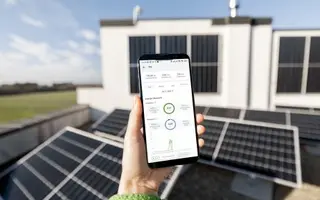
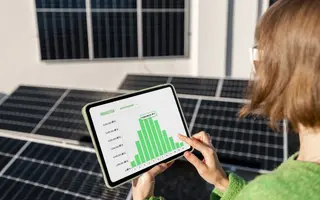
Many modern commercial inverters also communicate with energy management software, allowing facility managers to monitor production and detect faults in real time.
Main Types of Commercial Solar Inverters
Central Inverters
Central inverters are commonly used in utility-scale and very large commercial installations.
Advantages:
- Lower cost per watt
- Simple maintenance
- Excellent for uniform solar arrays
- Suitable for multi-megawatt projects
Disadvantages:
- Single point of failure
- Less effective with shading
- Lower design flexibility
Ideal for:
- Solar farms
- Large warehouses
- Manufacturing facilities
- Distribution centers
String Inverters
String inverters remain the most popular choice for medium-sized commercial buildings.
Advantages:
- Lower installation cost
- Flexible design
- Easier troubleshooting
- Independent MPPT inputs
- High reliability
Disadvantages:
- Performance losses if multiple panels in a string are shaded
- More equipment than central systems
Ideal for:
- Office buildings
- Hotels
- Schools
- Retail centers
- Medical facilities
Microinverters
Microinverters are installed on each individual solar panel.
Advantages:
- Highest energy harvest
- Excellent shade tolerance
- Panel-level monitoring
- Improved redundancy
Disadvantages:
- Higher equipment cost
- More complex installation
- Less common in very large commercial systems
Ideal for:
- Buildings with complicated roofs
- Partial shading
- Expansion projects
- Premium commercial installations
Commercial Inverter Comparison
| Inverter Type | Efficiency | Typical System Size | Cost | Best For |
|---|---|---|---|---|
| Central Inverter | 98–99% | 500 kW–10 MW+ | Lowest | Utility-scale projects |
| String Inverter | 97.5–99% | 20–500 kW | Moderate | Most commercial buildings |
| Microinverter | 96–97% | Small to medium | Highest | Complex rooftops |
Commercial Solar Inverter Costs in 2026
Average inverter pricing varies depending on system size and manufacturer.
| System Size | Estimated Inverter Cost |
| 30 kW | $4,500–$8,000 |
| 50 kW | $6,500–$10,000 |
| 100 kW | $10,000–$18,000 |
| 250 kW | $25,000–$40,000 |
| 500 kW | $45,000–$70,000 |
| 1 MW | $80,000–$150,000 |
Installation, wiring, commissioning, and monitoring equipment are generally priced separately.
Premium vs Budget Commercial Inverters
| Feature | Premium Brands | Budget Brands |
| Efficiency | 98–99% | 96–97% |
| Warranty | 20–25 Years | 10–12 Years |
| Monitoring | Advanced | Basic |
| Remote Diagnostics | Yes | Limited |
| Grid Compatibility | Excellent | Standard |
| Battery Integration | Excellent | Limited |
Premium manufacturers typically offer better software, stronger technical support, and longer warranties.
Popular Commercial Solar Inverter Brands
Leading inverter manufacturers in 2026 include:
- SMA
- SolarEdge
- Huawei
- Sungrow
- Fronius
- ABB
- Delta Electronics
- Schneider Electric
- Growatt Commercial
- GoodWe Commercial
Each manufacturer offers products designed for different commercial applications and project sizes.
Inverter Efficiency Explained
Inverter efficiency measures how much DC electricity is successfully converted into AC electricity.
Example:
99% efficiency
100 kWh DC generated
↓
99 kWh AC delivered
A seemingly small 1–2% efficiency difference can result in thousands of dollars of additional electricity production over a system's lifetime.
Example Commercial Solar Cost Calculation
A warehouse installs a 200 kW solar system.
Estimated project cost:
$450,000
Solar inverter package:
$32,000
Federal Investment Tax Credit (30%):
-$135,000
Net installation cost:
$315,000
Annual electricity savings:
$72,000
Estimated annual inverter maintenance:
$900
Net annual savings:
$71,100
Estimated payback:
Approximately 4.4 years
After reaching payback, most energy generated represents long-term operational savings.
Factors That Affect Inverter Performance
Several factors influence commercial inverter efficiency and lifespan.
Temperature
High temperatures reduce inverter efficiency. Proper ventilation improves performance.
Load Matching
Choosing the correct inverter size prevents unnecessary energy losses.
Shade
Frequent shading may justify microinverters or multiple MPPT string inverters.
Maintenance
Keeping ventilation openings clean helps prevent overheating.
Monitoring Software
Real-time monitoring allows businesses to detect faults before they impact production.
Choosing the Right Commercial Solar Inverter
Before purchasing an inverter, evaluate:
- System size
- Roof configuration
- Future expansion plans
- Battery storage compatibility
- Warranty coverage
- Monitoring capabilities
- Manufacturer reputation
- Local installer expertise
Businesses planning battery storage should verify that the inverter supports hybrid or storage-ready configurations.
Tips for Reducing Commercial Solar Inverter Costs
To optimize investment while maintaining performance:
- Compare proposals from multiple EPC contractors.
- Choose the correct inverter size to avoid overspending.
- Select products with long warranties to reduce replacement costs.
- Bundle monitoring software during installation.
- Take advantage of the Federal Investment Tax Credit (ITC).
- Use MACRS accelerated depreciation where eligible.
- Consider scalable inverter systems if future expansion is planned.
- Schedule preventive maintenance to extend equipment life.
State-Specific Notes
Texas
Texas experiences high solar irradiance and elevated summer temperatures. Businesses should prioritize inverters with excellent thermal management and robust cooling systems to maintain peak performance.
Florida
Florida's humidity, salt air in coastal regions, and hurricane exposure make weather-resistant enclosures and corrosion-resistant inverter installations essential for long-term reliability.
California
California's advanced energy regulations and high electricity rates make smart inverters with battery storage integration particularly valuable. Businesses can maximize savings by combining solar production with peak-demand management.
Frequently Asked Questions
What is the best inverter for commercial solar?
The best choice depends on project size. String inverters are ideal for most commercial buildings, while central inverters excel in utility-scale systems and microinverters suit complex rooftops.
How long do commercial solar inverters last?
Most commercial inverters last between 15 and 25 years, depending on manufacturer quality, operating conditions, and maintenance practices.
Are microinverters suitable for large businesses?
Microinverters are generally better for smaller commercial systems or buildings with multiple roof orientations and shading challenges.
What percentage of total project cost is the inverter?
The inverter typically represents 8–15% of a commercial solar installation's total cost.
Can commercial inverters support battery storage?
Yes. Many modern commercial inverters are hybrid-ready or designed to integrate seamlessly with battery energy storage systems.
Is inverter maintenance expensive?
Routine maintenance costs are relatively low and mainly involve inspections, software updates, cooling system checks, and occasional component replacement.
Conclusion
Commercial solar inverters play a critical role in determining the efficiency, reliability, and profitability of any business solar installation. While panels generate electricity, the inverter ensures that energy is converted, monitored, and delivered efficiently throughout the system's lifespan.
For most businesses, high-quality string inverters offer the best balance of cost, flexibility, and performance. Large industrial or utility-scale projects may benefit from central inverters, while facilities with complex rooftops or shading issues can achieve higher energy production using microinverters.
Before making a purchasing decision, compare efficiency ratings, warranty terms, monitoring features, compatibility with future battery storage, and total lifecycle costs. Investing in the right commercial inverter today can significantly improve energy production, reduce maintenance expenses, and maximize your business's long-term return on investment.