Best Commercial Solar Solutions for Manufacturing Facilities in 2026: Reduce Energy Costs & Maximize ROI
- Why Manufacturing Facilities Are Ideal for Commercial Solar
- Best Commercial Solar Solutions for Manufacturing Plants
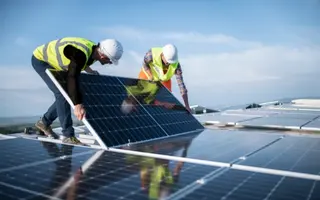
- Rooftop Solar Systems
- Ground-Mounted Solar Farms
- Solar Carports
- Commercial Battery Storage
- Hybrid Solar Microgrids
- Average Commercial Solar Installation Costs
- Factors That Influence Installation Costs
- Annual Energy Consumption
- Roof or Land Availability
- Electrical Infrastructure
- Equipment Quality
- Local Utility Requirements
- Example Manufacturing Solar Cost Calculation
- Estimated Annual Savings
- Commercial Solar Financing Options
- Cash Purchase
- Commercial Solar Loan
- Solar Lease
- Power Purchase Agreement (PPA)
- Commercial Battery Storage Costs
- Tips to Maximize Manufacturing Solar ROI
- Perform an Energy Audit
- Replace Inefficient Equipment
- Utilize All Available Tax Incentives
- Compare Multiple EPC Contractors
- Consider Future Expansion
- Integrate Battery Storage
- State-Specific Notes
- Texas
- Florida
- California
- Additional Benefits Beyond Energy Savings
- Frequently Asked Questions
- How much does commercial solar cost for manufacturing facilities?
- What is the average payback period?
- Can solar power run an entire factory?
- Is battery storage necessary?
- Are manufacturing facilities eligible for federal tax incentives?
- How long do commercial solar panels last?
Best Commercial Solar Solutions for Manufacturing Facilities
Manufacturing facilities are among the largest commercial consumers of electricity in the United States. From heavy machinery and production lines to compressed air systems, industrial HVAC, robotics, and warehouse automation, energy costs account for a significant portion of operating expenses.
As electricity prices continue to rise in 2026, manufacturers are increasingly turning to commercial solar solutions to reduce utility bills, improve energy resilience, and strengthen long-term profitability.
Unlike many commercial buildings, manufacturing plants often operate during daylight hours when solar panels generate the highest amount of electricity. Combined with federal tax incentives, accelerated depreciation, and financing programs, commercial solar has become one of the highest-return capital investments available for industrial businesses.
This guide explores the best commercial solar solutions for manufacturing facilities, including system types, installation costs, ROI, battery storage, financing options, and state-specific considerations.
Why Manufacturing Facilities Are Ideal for Commercial Solar
Manufacturing plants typically consume electricity continuously throughout production hours. This aligns perfectly with daytime solar generation.
Common electrical loads include:
- Production equipment
- CNC machines
- Injection molding systems
- Welding equipment
- Conveyor systems
- Industrial refrigeration
- Air compressors
- HVAC systems
- Robotics and automation
- Lighting
- Warehouse operations
Many factories also have expansive rooftops or unused land suitable for large-scale solar installations.
The combination of high energy demand and available installation space makes manufacturing one of the most profitable industries for commercial solar.
Best Commercial Solar Solutions for Manufacturing Plants
Not every manufacturing facility has the same energy requirements. The best solution depends on available space, electricity usage, operating schedule, and expansion plans.
Rooftop Solar Systems
Rooftop systems remain the most common choice.
Advantages include:
- No additional land required
- Lower installation costs
- Reduced heat absorption
- Minimal impact on daily operations
- Excellent ROI
Ideal for:
- Distribution facilities
- Assembly plants
- Electronics manufacturing
- Automotive suppliers
- Packaging facilities
Ground-Mounted Solar Farms
Factories with large unused property can install ground-mounted solar arrays.
Benefits include:
- Easier maintenance
- Larger system capacity
- Better panel orientation
- Higher production efficiency
Best suited for:
- Large industrial campuses
- Rural manufacturing facilities
- Food processing plants
Solar Carports
Parking lots can become productive energy assets.
Solar carports provide:
- Employee parking shade
- Electric vehicle charging
- Additional solar production
- Improved corporate sustainability
Many manufacturers combine rooftop and carport systems for maximum energy generation.
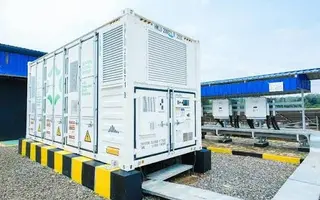
Commercial Battery Storage
Battery storage is becoming an essential component of modern industrial energy management.
Advantages include:
- Peak demand reduction
- Backup power
- Energy arbitrage
- Improved resilience
- Better utilization of excess solar production
Factories with expensive demand charges often see significant additional savings.
Hybrid Solar Microgrids
Large manufacturing operations increasingly deploy hybrid energy systems combining:
- Solar panels
- Battery storage
- Backup generators
- Smart energy management software
These systems provide exceptional reliability while reducing dependence on the electrical grid.
Average Commercial Solar Installation Costs
Costs vary according to system size, facility type, equipment, and location.
| System Size | Suitable Manufacturing Facility | Estimated Installed Cost |
|---|---|---|
| 100 kW | Small Factory | $180,000–$270,000 |
| 250 kW | Medium Manufacturing Plant | $425,000–$650,000 |
| 500 kW | Large Production Facility | $800,000–$1.3 Million |
| 1 MW | Industrial Manufacturing Campus | $1.6–$2.6 Million |
| 2 MW+ | Heavy Manufacturing Complex | $3–$6 Million |
Average installation cost:
$1.70–$2.60 per watt
Projects generally include:
- Commercial solar panels
- Industrial-grade inverters
- Mounting systems
- Engineering
- Structural analysis
- Electrical infrastructure
- Installation labor
- Utility interconnection
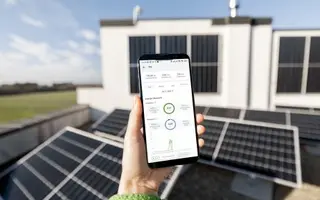
- Monitoring software
Factors That Influence Installation Costs
Several variables affect the final project price.
Annual Energy Consumption
Factories operating multiple shifts require larger systems.
Typical annual consumption:
- Small plant: 300,000 kWh
- Medium factory: 1 million kWh
- Large industrial facility: 5 million+ kWh
Roof or Land Availability
Available installation area determines maximum system size.
Large flat roofs typically provide the best installation environment.
Electrical Infrastructure
Older facilities may require:
- Switchgear upgrades
- Transformer replacement
- Distribution panel improvements
These upgrades increase project costs but improve long-term reliability.
Equipment Quality
Premium commercial equipment generally provides:
- Higher efficiency
- Longer warranties
- Better production monitoring
- Lower maintenance requirements
Local Utility Requirements
Some utilities require:
- Grid impact studies
- Protective relays
- Specialized metering
- Interconnection upgrades
These costs vary by region.
Example Manufacturing Solar Cost Calculation
Assume a manufacturing facility has:
- 150,000 square feet
- Annual electricity usage: 1,400,000 kWh
Recommended system:
900 kW
Estimated project costs:
| Item | Estimated Cost |
|---|---|
| Solar Panels | $770,000 |
| Commercial Inverters | $120,000 |
| Mounting Hardware | $90,000 |
| Electrical Equipment | $95,000 |
| Engineering & Design | $45,000 |
| Installation Labor | $200,000 |
| Utility Connection | $30,000 |
| Monitoring Platform | $10,000 |
| Total Cost | $1,360,000 |
Federal Investment Tax Credit (30%):
-$408,000
Estimated net investment:
$952,000
Estimated Annual Savings
Current electricity expenses:
Monthly utility bill:
$38,000
Annual electricity cost:
$456,000
Estimated solar offset:
90%
Annual savings:
Approximately $410,000
Estimated payback period:
4–6 years
Projected 25-year savings:
More than $8 million, depending on electricity inflation and maintenance costs.
Commercial Solar Financing Options
Manufacturers can choose several financing strategies.
Cash Purchase
Ideal for companies seeking maximum long-term returns.
Benefits:
- Highest ROI
- Immediate ownership
- Maximum tax incentives
- Lowest lifetime cost
Commercial Solar Loan
Allows manufacturers to preserve working capital.
Advantages include:
- Fixed monthly payments
- Immediate utility savings
- Ownership after loan repayment
Solar Lease
A leasing company owns the solar equipment while the manufacturer pays a fixed monthly lease.
Best for businesses minimizing upfront capital expenditures.
Power Purchase Agreement (PPA)
Manufacturers buy electricity generated by the solar system rather than owning the equipment.
Advantages:
- No upfront investment
- Predictable energy pricing
- Maintenance included
PPAs are popular among large industrial facilities.
Commercial Battery Storage Costs
Adding batteries increases project costs but delivers additional operational benefits.
| Battery Capacity | Estimated Cost |
|---|---|
| 100 kWh | $70,000–$110,000 |
| 250 kWh | $170,000–$300,000 |
| 500 kWh | $350,000–$550,000 |
| 1 MWh | $650,000–$1 Million |
Battery storage is particularly valuable for manufacturers with:
- High demand charges
- Sensitive equipment
- Continuous production
- Frequent power outages
Tips to Maximize Manufacturing Solar ROI
Manufacturers can improve project profitability through careful planning.
Perform an Energy Audit
Analyze production schedules and identify peak electricity usage before selecting a system size.
Replace Inefficient Equipment
Modern motors, compressors, and LED lighting reduce energy demand, allowing for a more cost-effective solar installation.
Utilize All Available Tax Incentives
Maximize savings through:
- Federal Investment Tax Credit (ITC)
- MACRS depreciation
- Bonus depreciation (where available)
- State incentive programs
- Utility rebates
Compare Multiple EPC Contractors
Obtain at least three proposals and evaluate:
- Equipment quality
- Performance guarantees
- Warranty coverage
- Installation experience
- Expected energy production
Consider Future Expansion
Design the system with additional capacity if production growth is expected over the next decade.
Integrate Battery Storage
Combining solar panels with battery storage can substantially reduce demand charges and improve operational continuity.
State-Specific Notes
Texas
Texas offers one of the strongest business cases for industrial solar because of:
- Competitive installation pricing
- High industrial electricity usage
- Excellent solar resources
- Expanding manufacturing sector
Typical installed cost:
$1.70–$2.30 per watt
Estimated payback:
3–5 years.
Florida
Florida manufacturers benefit from high solar production and favorable weather conditions.
Typical installed cost:
$1.80–$2.40 per watt
Many facilities also install hurricane-rated mounting systems to improve resilience.
California
California has higher labor and permitting costs but also some of the highest commercial electricity rates in the United States.
Typical installed cost:
$2.10–$2.80 per watt
Higher utility prices often shorten the effective payback period despite increased installation costs.
Additional Benefits Beyond Energy Savings
Commercial solar provides several long-term business advantages.
These include:
- Improved ESG performance
- Reduced greenhouse gas emissions
- Better compliance with corporate sustainability initiatives
- Greater energy independence
- Increased facility value
- Enhanced brand reputation
- Improved investor confidence
- Lower exposure to future utility rate increases
Manufacturers supplying global corporations may also gain a competitive advantage by demonstrating measurable sustainability improvements.
Frequently Asked Questions
How much does commercial solar cost for manufacturing facilities?
Most projects range from $180,000 to more than $6 million, depending on system size, energy consumption, and equipment selection.
What is the average payback period?
Most manufacturing facilities recover their investment within 4 to 7 years, with faster payback possible in areas with high electricity rates and strong incentives.
Can solar power run an entire factory?
In many cases, solar can offset 70% to 100% of annual electricity consumption, depending on available installation space and operating schedules.
Is battery storage necessary?
Battery storage is optional but highly beneficial for facilities seeking backup power, reduced demand charges, or improved energy resilience.
Are manufacturing facilities eligible for federal tax incentives?
Yes. Eligible businesses may qualify for the 30% Federal Investment Tax Credit (ITC), accelerated depreciation, and applicable state or utility incentive programs.
How long do commercial solar panels last?
Most commercial solar panels include 25-year performance warranties and can continue producing electricity efficiently for 30 years or more with proper maintenance.
Conclusion + CTA
Commercial solar has become one of the smartest long-term investments for manufacturing facilities looking to control operating costs and improve profitability. Whether installed on rooftops, parking structures, or ground-mounted arrays, solar systems provide decades of clean energy, lower utility expenses, and attractive financial returns.
By combining high-efficiency solar panels, battery storage, available tax incentives, and the right financing strategy, manufacturers can significantly reduce energy costs while strengthening operational resilience and sustainability.
Ready to lower your manufacturing facility's energy costs? Request proposals from experienced commercial solar EPC contractors, compare financing options, and perform a professional energy assessment to identify the best solar solution for your facility.