Commercial Solar Installation Cost for Office Buildings in 2026: Complete Pricing Guide, ROI & Tax Incentives
- Why Office Buildings Are Investing in Commercial Solar
- Average Commercial Solar Installation Cost in 2026
- Factors That Affect Commercial Solar Installation Costs
- Building Size
- Roof Condition
- Energy Consumption
- Roof Type
- Equipment Quality
- Installation Complexity
- Example Commercial Solar Cost Calculation
- Annual Savings Example
- Federal Tax Incentives Available in 2026
- Commercial Solar Financing Options
- Cash Purchase
- Commercial Solar Loan
- Solar Lease
- Power Purchase Agreement (PPA)
- Battery Storage Costs
- Tips to Reduce Commercial Solar Installation Costs
- Install Before Major Utility Rate Increases
- Claim Every Available Incentive
- Request Multiple Contractor Quotes
- Right-Size the System
- Replace the Roof First
- Bundle Battery Installation
- State-Specific Cost Notes
- Texas
- Florida
- California
- Is Commercial Solar Worth It?
- Frequently Asked Questions
- How much does commercial solar installation cost for office buildings?
- How long does installation take?
- What is the average payback period?
- Do office buildings qualify for federal tax credits?
- How long do commercial solar panels last?
- Can commercial solar systems power an entire office building?
Commercial Solar Installation Cost for Office Buildings in 2026
Electricity has become one of the largest operating expenses for commercial office buildings across the United States. Rising utility rates, sustainability goals, and federal tax incentives have made commercial solar installations one of the smartest long-term investments for property owners.
Whether you own a small office complex, a corporate headquarters, or a multi-story commercial property, understanding the commercial solar installation cost for office buildings in 2026 is essential before making an investment.
In this guide, you'll learn everything about installation pricing, ROI calculations, tax credits, financing options, state incentives, and practical ways to reduce installation costs while maximizing long-term savings.
Why Office Buildings Are Investing in Commercial Solar
Office buildings consume electricity throughout the day, making them ideal candidates for solar power systems.
Unlike residential properties, commercial offices typically use most of their electricity during daylight hours—the exact period when solar panels produce the most energy.
Benefits include:
- Lower monthly electricity bills
- Protection against rising utility prices
- Federal tax incentives
- Higher commercial property value
- ESG and sustainability compliance
- Reduced carbon emissions
- Better operating income (NOI)
Many commercial real estate investors now view solar installations as an asset rather than an expense.
Average Commercial Solar Installation Cost in 2026
Commercial solar pricing depends primarily on system size, roof complexity, equipment quality, labor costs, and location.
| System Size | Suitable Building | Estimated Cost Before Incentives |
|---|---|---|
| 30 kW | Small Office | $60,000–$90,000 |
| 50 kW | Medium Office | $90,000–$140,000 |
| 75 kW | Large Office | $135,000–$200,000 |
| 100 kW | Corporate Office | $180,000–$270,000 |
| 250 kW | Office Campus | $425,000–$650,000 |
| 500 kW | Multi-Building Complex | $800,000–$1.3 Million |
Average installed cost:
$1.70–$2.60 per watt
Pricing usually includes:
- Solar panels
- Commercial inverters
- Mounting system
- Electrical equipment
- Design & engineering
- Permits
- Labor
- Utility interconnection
- Monitoring system
Battery storage is generally quoted separately.
Factors That Affect Commercial Solar Installation Costs
No two office buildings have identical installation costs.
Major pricing factors include:
Building Size
Larger buildings require more panels but benefit from lower cost per watt due to economies of scale.
Roof Condition
Older roofs may require replacement before installation.
Typical roof replacement costs:
- $5–$15 per square foot
Installing solar on an aging roof can lead to expensive panel removal later.
Energy Consumption
Higher annual electricity usage requires larger systems.
Example:
- Small office: 50,000 kWh/year
- Corporate office: 500,000+ kWh/year
Roof Type
Installation costs vary depending on roofing materials:
- Flat TPO roof
- EPDM membrane
- Metal roof
- Standing seam
- Concrete roof
- Tilted shingle roof
Flat commercial roofs usually provide the easiest installation.
Equipment Quality
Premium equipment increases initial investment but improves efficiency.
Options include:
- High-efficiency monocrystalline panels
- String inverters
- Microinverters
- DC optimizers
- Commercial battery storage
Installation Complexity
Additional costs may include:
- Structural engineering
- Electrical upgrades
- Transformer upgrades
- Utility-required equipment
- Crane rental
Example Commercial Solar Cost Calculation
Consider a 40,000-square-foot office building.
Annual electricity consumption:
240,000 kWh
Recommended system:
180 kW
Estimated pricing:
| Item | Cost |
|---|---|
| Solar Panels | $170,000 |
| Inverters | $32,000 |
| Mounting Hardware | $28,000 |
| Engineering & Permits | $18,000 |
| Installation Labor | $55,000 |
| Electrical Equipment | $22,000 |
| Monitoring | $5,000 |
| Total Installation | $330,000 |
Federal Investment Tax Credit (30%):
-$99,000
Net investment:
Approximately $231,000
Annual Savings Example
Suppose the office currently spends:
- Electricity bill: $6,200/month
Annual utility cost:
$74,400
Solar production offsets:
90%
Annual savings:
$66,960
Simple payback period:
Approximately 3.5–5 years
25-year projected savings:
Over $1.5 million, depending on electricity inflation.
Federal Tax Incentives Available in 2026
The Federal Investment Tax Credit (ITC) remains one of the biggest financial benefits.
Eligible businesses may receive:
- 30% Federal Tax Credit
- MACRS accelerated depreciation
- Bonus depreciation (subject to current IRS rules)
- State-specific incentives
- Utility rebates
These incentives significantly reduce upfront investment costs.
Commercial Solar Financing Options
Businesses don't always pay cash.
Popular financing methods include:
Cash Purchase
Advantages:
- Highest ROI
- Full ownership
- Maximum tax benefits
Best for:
Businesses with strong cash flow.
Commercial Solar Loan
Benefits:
- Preserve working capital
- Fixed monthly payments
- Immediate energy savings
Ideal for:
Growing businesses.
Solar Lease
The installer owns the system.
Business pays monthly lease payments.
Advantages:
- Little upfront investment
- Predictable costs
Disadvantages:
- Lower long-term savings
Power Purchase Agreement (PPA)
Instead of buying electricity from the utility, businesses purchase solar-generated electricity.
Advantages:
- No installation cost
- Performance guarantees
Popular among:
- Office parks
- Commercial campuses
- Multi-tenant buildings
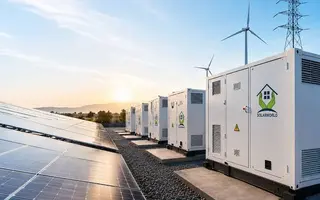
Battery Storage Costs
Adding battery storage improves resilience during outages.
| Battery Size | Estimated Cost |
|---|---|
| 100 kWh | $70,000–$110,000 |
| 200 kWh | $140,000–$220,000 |
| 500 kWh | $350,000–$550,000 |
Battery systems help reduce demand charges and provide emergency backup.
Tips to Reduce Commercial Solar Installation Costs
Businesses can significantly lower project costs by following these strategies.
Install Before Major Utility Rate Increases
Higher utility prices improve ROI faster.
Claim Every Available Incentive
Combine:
- Federal ITC
- State rebates
- Local utility incentives
- Accelerated depreciation
Request Multiple Contractor Quotes
Compare at least:
- Three installers
- Equipment brands
- Warranty terms
- Estimated production
Right-Size the System
Oversized systems increase payback time.
Professional energy analysis ensures optimal sizing.
Replace the Roof First
Installing solar before roof replacement often results in expensive removal and reinstallation later.
Bundle Battery Installation
Installing storage together with solar often reduces labor and permitting costs.
State-Specific Cost Notes
Texas
Texas remains one of the best states for commercial solar because of:
- High commercial electricity demand
- Strong solar production
- Competitive installation pricing
- Favorable business economics
Typical installed cost:
$1.70–$2.30 per watt
Payback:
3–5 years.
Florida
Florida benefits from abundant sunshine.
Advantages include:
- High annual production
- Strong commercial ROI
- Hurricane-rated commercial equipment available
Typical cost:
$1.80–$2.40 per watt
California
California has:
- Higher labor costs
- More permitting requirements
- Expensive electricity rates
Although installation costs are higher, electricity savings are often much greater.
Typical pricing:
$2.10–$2.80 per watt
Payback:
4–6 years.
Is Commercial Solar Worth It?
For most office buildings, the answer is yes.
Commercial solar provides:
- Lower operating expenses
- Better property valuation
- Energy independence
- Long-term predictable utility costs
- Attractive ESG reporting
- Federal tax advantages
- Strong return on investment
Many systems continue generating electricity for over 30 years while requiring minimal maintenance.
Frequently Asked Questions
How much does commercial solar installation cost for office buildings?
Most office buildings spend between $60,000 and $650,000, depending on system size, equipment, and installation complexity.
How long does installation take?
Most commercial projects require 2 to 8 weeks, excluding permitting and utility approval.
What is the average payback period?
Most office buildings recover their investment in 3 to 7 years, depending on electricity rates and available incentives.
Do office buildings qualify for federal tax credits?
Yes. Eligible businesses may claim the 30% Federal Investment Tax Credit (ITC) and accelerated depreciation benefits if they meet current program requirements.
How long do commercial solar panels last?
Quality commercial panels typically last 25–30 years, with many continuing to produce electricity beyond their warranty period.
Can commercial solar systems power an entire office building?
Yes. Properly sized systems can offset a large share—or even nearly all—of an office building's annual electricity consumption, subject to roof space and local regulations.
Conclusion
Commercial solar installation is no longer just an environmental initiative—it is a strategic financial investment for office building owners in 2026. While upfront costs can range from tens of thousands to more than a million dollars depending on system size, federal tax credits, depreciation benefits, and long-term utility savings often make the investment highly profitable.
Before moving forward, conduct a professional energy audit, compare proposals from experienced EPC contractors, and evaluate financing options such as loans or PPAs. A well-designed solar system can reduce operating costs, increase property value, and deliver decades of predictable energy savings.
CTA: Planning a commercial solar project? Request multiple quotes from certified commercial solar installers, compare system performance estimates, and calculate your projected ROI before making your investment.