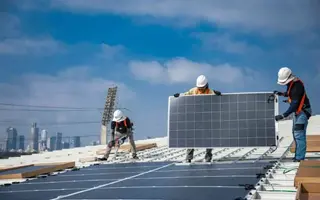
Commercial Solar Systems for Warehouses: Reduce Operating Costs, Maximize ROI & Tax Savings in 2026

- Why Warehouses Are Ideal for Commercial Solar
- Average Commercial Solar System Cost for Warehouses
- What Determines Warehouse Solar Installation Costs?
- Annual Electricity Usage
- Roof Size and Layout
- Equipment Quality
- Local Labor Costs
- Utility Interconnection
- Example Warehouse Solar Cost Calculation
- Estimated Annual Savings
- Return on Investment (ROI)
- Financing Options for Warehouse Solar Projects
- Cash Purchase
- Commercial Solar Loan
- Solar Lease
- Power Purchase Agreement (PPA)
- Battery Storage for Warehouses
- Tips to Maximize Warehouse Solar Savings
- Conduct an Energy Audit First
- Install LED Lighting Before Solar
- Take Advantage of Federal Tax Credits
- Compare Multiple EPC Contractors
- Prepare the Roof
- Consider Battery Storage
- State-Specific Notes
- Texas
- Florida
- California
- Environmental and Business Benefits
- Frequently Asked Questions
- How much does a commercial solar system for a warehouse cost?
- How long do warehouse solar panels last?
- Can a warehouse run entirely on solar power?
- Is battery storage necessary?
- What is the average payback period?
- Are warehouse solar systems eligible for tax incentives?
Commercial Solar Systems for Warehouses: Reduce Operating Costs
Operating a warehouse has become significantly more expensive over the past few years. Rising electricity prices, increased automation, climate control requirements, electric forklifts, conveyor systems, and 24/7 logistics operations have pushed energy costs to record highs.
For warehouse owners, distribution centers, and logistics companies, reducing operating expenses has become a top priority. One of the most effective long-term solutions is investing in commercial solar systems for warehouses.
Large warehouse rooftops provide an ideal space for solar panel installations, allowing businesses to generate substantial amounts of electricity while reducing dependence on utility companies. Combined with federal tax incentives and accelerated depreciation, commercial solar has become one of the highest-return capital investments available in 2026.
This guide explains warehouse solar installation costs, expected savings, ROI, financing options, and strategies for maximizing your investment.
Why Warehouses Are Ideal for Commercial Solar
Unlike office buildings, warehouses typically have expansive, unobstructed rooftops. This makes installation easier and increases the amount of solar energy that can be generated.
Warehouses also consume electricity consistently throughout the day for:
- LED lighting systems
- HVAC and ventilation
- Conveyor belts
- Automated storage systems
- Robotics
- Refrigeration (for cold storage)
- Electric forklifts and charging stations
- Security systems
- Computer servers and networking equipment
Because these operations often coincide with peak solar production hours, warehouses can maximize self-consumption of solar energy and minimize electricity purchased from the grid.
Average Commercial Solar System Cost for Warehouses
Warehouse solar system costs depend on building size, annual electricity consumption, roof condition, equipment quality, and local labor rates.
| Warehouse Size | Recommended Solar System | Estimated Installed Cost |
|---|---|---|
| 20,000 sq ft | 100–150 kW | $180,000–$320,000 |
| 50,000 sq ft | 250–350 kW | $425,000–$700,000 |
| 100,000 sq ft | 500–750 kW | $850,000–$1.6 Million |
| 250,000 sq ft | 1–1.5 MW | $1.7–$3 Million |
| 500,000+ sq ft | 2–5 MW | $3.2–$8 Million |
Average installed pricing in 2026:
$1.70–$2.60 per watt
These estimates typically include:
- High-efficiency commercial solar panels
- Industrial inverters
- Mounting systems
- Engineering and design
- Structural analysis
- Electrical upgrades
- Permitting
- Installation labor
- Utility interconnection
- Monitoring platform
Battery storage systems are generally priced separately.
What Determines Warehouse Solar Installation Costs?
Several variables influence the final project price.
Annual Electricity Usage
The more electricity a warehouse consumes, the larger the recommended solar system.
Typical annual consumption:
- Small warehouse: 150,000 kWh
- Regional distribution center: 600,000 kWh
- Large logistics hub: 2,000,000+ kWh
Higher consumption generally leads to larger projects with a lower cost per watt.
Roof Size and Layout
Flat warehouse roofs simplify installation because panels can be arranged for optimal sun exposure.
Potential challenges include:
- HVAC units
- Skylights
- Roof vents
- Fire access pathways
- Structural load limitations
Equipment Quality
Premium solar components typically provide better efficiency and longer warranties.
Common equipment includes:
- Monocrystalline solar panels
- Commercial string inverters
- DC optimizers
- Smart monitoring systems
- High-wind mounting hardware
Local Labor Costs
Installation pricing varies significantly by state depending on labor rates, permitting complexity, and inspection requirements.
Utility Interconnection
Large commercial systems often require:
- Transformer upgrades
- Utility studies
- Protective relays
- Grid synchronization equipment
These costs should be included in project budgeting.
Example Warehouse Solar Cost Calculation
Consider a logistics warehouse with:
- Building size: 100,000 sq ft
- Annual electricity use: 900,000 kWh
Recommended system:
650 kW
Estimated installation costs:
| Item | Estimated Cost |
|---|---|
| Solar Panels | $560,000 |
| Commercial Inverters | $90,000 |
| Mounting Hardware | $75,000 |
| Engineering & Design | $35,000 |
| Electrical Equipment | $65,000 |
| Installation Labor | $155,000 |
| Monitoring System | $10,000 |
| Permits & Utility Fees | $20,000 |
| Total Project Cost | $1,010,000 |
Federal Investment Tax Credit (30%):
-$303,000
Estimated net investment:
Approximately $707,000
Estimated Annual Savings
Suppose the warehouse currently pays:
Monthly electricity bill:
$23,000
Annual electricity expense:
$276,000
Solar offsets:
90%
Estimated yearly savings:
$248,400
Simple payback period:
Approximately 4–6 years
Projected savings over 25 years:
More than $5 million, depending on future electricity price increases.
Return on Investment (ROI)
Commercial warehouse solar projects consistently deliver strong long-term returns because:
- Electricity prices continue to rise.
- Warehouses operate during daylight hours.
- Maintenance requirements are relatively low.
- Solar equipment has a lifespan exceeding 30 years.
- Tax incentives reduce upfront investment.
Typical warehouse solar ROI ranges between 15% and 30% annually, depending on local electricity rates and financing structure.
Financing Options for Warehouse Solar Projects
Businesses have several ways to fund commercial solar systems.
Cash Purchase
Best for companies seeking maximum long-term returns.
Advantages:
- Highest ROI
- Immediate ownership
- Full tax benefits
- No financing costs
Commercial Solar Loan
Ideal for preserving cash flow.
Benefits include:
- Fixed monthly payments
- Immediate utility savings
- Ownership after repayment
Solar Lease
A third party owns the system while the warehouse pays a monthly lease.
Advantages:
- Low upfront investment
- Predictable operating expenses
Trade-off:
Lower lifetime savings compared to ownership.
Power Purchase Agreement (PPA)
With a PPA, the warehouse purchases electricity generated by the solar system at a predetermined rate.
Advantages include:
- No capital investment
- Lower electricity costs
- Maintenance handled by the provider
PPAs are particularly attractive for large distribution facilities.
Battery Storage for Warehouses
Battery systems are becoming increasingly common in logistics facilities.
Benefits include:
- Backup power during outages
- Reduced demand charges
- Improved energy resilience
- Peak shaving
- Better use of excess solar production
| Battery Capacity | Estimated Cost |
|---|---|
| 100 kWh | $70,000–$110,000 |
| 250 kWh | $170,000–$300,000 |
| 500 kWh | $350,000–$550,000 |
| 1 MWh | $650,000–$1 Million |
Battery storage is especially valuable for refrigerated warehouses and facilities operating around the clock.
Tips to Maximize Warehouse Solar Savings
Businesses can improve project economics by following these best practices.
Conduct an Energy Audit First
Analyze electricity usage patterns before determining system size.
Install LED Lighting Before Solar
Reducing energy consumption may allow for a smaller, less expensive solar system.
Take Advantage of Federal Tax Credits
Combine:
- 30% Investment Tax Credit (ITC)
- MACRS depreciation
- Bonus depreciation (where applicable)
- State incentives
- Utility rebates
Compare Multiple EPC Contractors
Request proposals from at least three experienced commercial solar installers.
Compare:
- Equipment quality
- Warranty terms
- Production estimates
- Financing options
Prepare the Roof
If the roof is nearing the end of its service life, replace it before installing solar panels to avoid future removal and reinstallation costs.
Consider Battery Storage
Warehouses with high demand charges or critical operations can significantly improve savings by integrating battery storage with their solar system.
State-Specific Notes
Texas
Texas is one of the strongest markets for warehouse solar installations due to:
- High electricity consumption
- Excellent solar resources
- Competitive installation pricing
- Large logistics industry
Typical installed cost:
$1.70–$2.30 per watt
Typical payback:
3–5 years.
Florida
Florida warehouses benefit from abundant sunshine and high annual solar production.
Typical installed cost:
$1.80–$2.40 per watt
Many logistics facilities also choose hurricane-rated mounting systems for additional resilience.
California
California offers some of the highest electricity prices in the country, making solar particularly attractive despite higher installation costs.
Typical installed cost:
$2.10–$2.80 per watt
Although labor and permitting costs are higher, many businesses achieve substantial long-term savings because of elevated utility rates.
Environmental and Business Benefits
Beyond financial returns, warehouse solar systems provide additional strategic advantages.
These include:
- Reduced greenhouse gas emissions
- Improved ESG reporting
- Stronger corporate sustainability profile
- Greater energy independence
- Enhanced property value
- Increased appeal to environmentally conscious clients and investors
- Better compliance with future energy regulations
For logistics companies serving major retailers and manufacturers, sustainability initiatives can also strengthen commercial partnerships.
Frequently Asked Questions
How much does a commercial solar system for a warehouse cost?
Most warehouse solar projects cost between $180,000 and $3 million, depending on system size, electricity demand, and equipment selection.
How long do warehouse solar panels last?
Commercial solar panels typically carry 25-year performance warranties and often continue generating electricity for 30 years or more with proper maintenance.
Can a warehouse run entirely on solar power?
Many warehouses can offset 70%–100% of their annual electricity usage, depending on roof space, energy consumption, and local utility regulations.
Is battery storage necessary?
Not always. Battery storage is most beneficial for facilities with high demand charges, frequent outages, or 24-hour operations that require additional energy resilience.
What is the average payback period?
Most commercial warehouse solar systems achieve payback within 4 to 7 years, with faster returns possible in regions with high electricity prices and strong incentives.
Are warehouse solar systems eligible for tax incentives?
Yes. Eligible businesses can generally benefit from the 30% Federal Investment Tax Credit (ITC), along with accelerated depreciation and, in some cases, state or utility incentive programs.
Conclusion + CTA
Installing a commercial solar system is one of the most effective ways for warehouse owners to reduce operating costs, improve energy independence, and increase long-term profitability. With expansive rooftop space, consistent daytime electricity demand, and valuable federal tax incentives, warehouses are uniquely positioned to achieve exceptional returns on solar investments.
Whether you operate a regional distribution center or a nationwide logistics network, the right solar solution can deliver decades of lower utility bills, stronger cash flow, and enhanced sustainability.
Ready to reduce your warehouse operating costs? Consult an experienced commercial solar contractor to perform a site assessment, compare financing options, and design a customized solar system that maximizes your ROI.